
The Illusion of Skill vs. Luck in Gambling
One of the most pervasive myths surrounding casino gambling is the belief that skill can significantly influence the outcome of games primarily based on luck. Many players think that experienced gamblers can consistently win due to their expertise. While knowledge can indeed improve a player’s strategy in games like poker or blackjack, the majority of casino games, such as slots and roulette, are designed to be random. For those looking to enjoy the experience, finding the best online casino can enhance the fun while ensuring that they engage with reputable platforms. Casinos employ Random Number Generators (RNGs) to ensure fairness and unpredictability, which means that the house always maintains an edge. This fundamental understanding is crucial for players as they navigate the vibrant yet unpredictable world of gambling.
This myth often leads players to invest time and money trying to develop strategies for games where the outcome is fundamentally based on chance. For example, someone might believe that they can crack the code of a slot machine by observing patterns or trends. However, the reality is that every spin is independent, and past results do not influence future outcomes. The randomness inherent in these games means that no amount of experience can change the odds stacked against the player. Understanding the nature of randomness can help players make more informed decisions about their gambling habits and foster a healthier relationship with gambling.
Furthermore, the allure of skill can sometimes create a false sense of control in players. This illusion may lead them to chase losses or wager more than they can afford, believing they can turn their luck around. Educating oneself about the actual odds and mechanics of various games can help demystify this myth and promote responsible gambling practices. It is essential to acknowledge both the fun aspect of these activities and the inherent risks involved. By recognizing the limits of skill in games of chance, players can approach their gambling experiences with a more realistic mindset, reducing the likelihood of regretful decisions.
Casinos Are Rigged Against Players
Another common myth is the belief that casinos are outright rigged to ensure that players lose money consistently. While it’s true that the house edge guarantees a profit for the casino over time, this does not imply that games are inherently dishonest. All games are regulated, and reputable casinos must adhere to strict laws and standards to maintain their licenses. These regulations are in place to ensure fairness and transparency, thereby protecting players from deceitful practices. This oversight reinforces the integrity of the gaming experience, fostering trust among players.
In fact, many players are surprised to learn that certain games offer better odds than others. For instance, blackjack and video poker have lower house edges compared to games like slots. This means that players have a greater chance of winning in certain circumstances when they understand the gameplay. The perception that casinos are rigged makes players skeptical, hindering their ability to enjoy the excitement and entertainment that gambling can provide. By focusing on games with favorable odds and learning the rules, players can enhance their chances of having a positive experience.

Moreover, the concept of fairness in casinos is also supported by independent auditors who verify the outcomes of games. Reputable casinos are subject to regular checks to ensure that their games are compliant with industry standards. This means that while the house has an advantage, players can still enjoy fair gameplay. By shifting focus from the myth of a rigged system to understanding how to maximize their chances, players can experience gambling in a more positive light. This shift in perspective can transform the gaming experience from one of distrust to one of enjoyment and excitement.
The Myth of “Hot” and “Cold” Machines
The belief that slot machines can be “hot” or “cold” is another common misconception among casino-goers. Players often think that certain machines are due for a payout after a long dry spell or that they can predict when a machine will pay out next. This notion often leads to players spending excessive amounts of time and money chasing what they perceive as a trend. In reality, each machine operates independently, and the results are determined by RNGs, making it impossible to predict its performance based on past spins. Understanding this can save players from unnecessary losses fueled by false beliefs.
Players who buy into this myth may waste valuable time selecting machines based on their emotions rather than informed choices. Instead of relying on superstitions or anecdotal beliefs, players should focus on understanding how machines work, including the Return to Player (RTP) percentage. This metric gives an idea of how much a machine will pay out over time and can guide players in making smarter gambling decisions. By adopting a more analytical approach, players can enhance their gaming experience and make choices that align with their entertainment goals.
Additionally, the psychology behind this myth is crucial to understand. Players may have a tendency to form emotional attachments to certain machines, believing that their luck will turn. This emotional investment can cloud judgment and lead to poor decision-making. By recognizing that slot machines are designed for entertainment and randomness, players can approach their gaming experience more sensibly, ensuring that they enjoy the thrill without being misled by myths. Cultivating a mindset focused on enjoyment rather than expectation can lead to a more fulfilling gambling experience.
The Idea That Gambling Is Only for the Wealthy
Another myth that often deters potential players from entering the world of casino gambling is the belief that it’s an activity reserved solely for the wealthy. While high-stakes games may attract affluent individuals, there is a wide spectrum of betting options available to suit various budgets. Casinos offer games of all price ranges, allowing anyone to partake in the fun, regardless of their financial status. This misconception can intimidate novice players who might think they do not belong in a casino environment. Understanding that gambling is accessible to everyone can empower a broader audience to explore this form of entertainment.
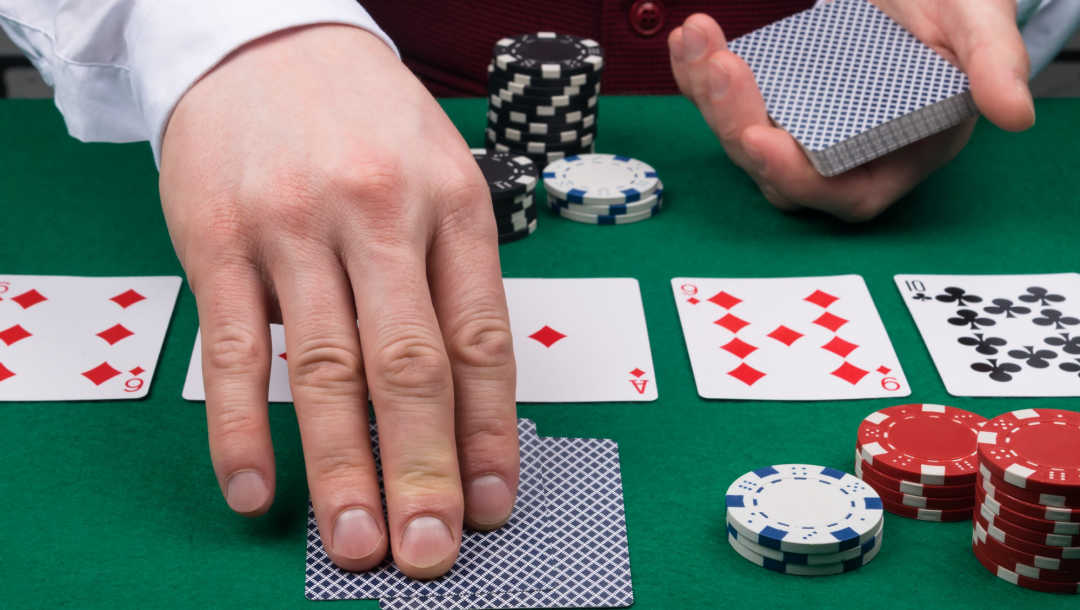
For example, many casinos feature low-stakes tables and machines that allow players to wager small amounts, making the experience accessible to a broader audience. Furthermore, online casinos have revolutionized the gambling landscape, offering an abundance of games suitable for all budgets. This convenience allows people to enjoy gambling from the comfort of their homes without the pressures of a physical casino. By recognizing that gambling can fit various financial situations, more individuals can partake in the excitement without feeling excluded.
Gambling should be viewed as a form of entertainment rather than a means to make money. Whether someone’s budget is large or small, the goal is to enjoy the experience responsibly. By breaking down the barriers created by these myths, more individuals can explore the excitement of casino gaming without feeling restricted by their financial situation. This shift in perception encourages inclusivity, allowing everyone to enjoy the thrill of the game, regardless of their economic background.
Understanding Responsible Gaming Culture
With the rise of online gambling and physical casinos, many institutions have established a responsible gaming culture to protect players and foster a healthy approach to gaming. This culture emphasizes the importance of setting limits and understanding the risks associated with gambling. One of the most significant myths is that gambling is entirely harmless and can be treated casually, which can lead to serious consequences for certain individuals. Recognizing the need for responsible gambling is essential to creating a sustainable gaming environment.
To combat this issue, many casinos and online gaming platforms provide resources aimed at promoting responsible gambling. Features such as deposit limits, self-exclusion options, and access to support organizations are crucial for helping players manage their gambling habits. Educating oneself about the potential pitfalls of gambling is essential in creating a positive experience that prioritizes enjoyment over addiction. Players who understand the importance of moderating their gambling activities are more likely to have fulfilling experiences without the risk of developing compulsive behaviors.
Ultimately, fostering a responsible gaming culture is about ensuring that players have fun while being aware of their choices. Understanding the mental and emotional aspects of gambling can help demystify it and encourage people to view it as a recreational activity rather than a risky venture. By dispelling myths and encouraging responsible behavior, the industry can cultivate a safer environment for all players. Promoting responsible gaming not only protects individuals but also enhances the overall integrity of the gambling industry.